

In a real-world test of five instant online quote tools for a $300,000 eCommerce seller, Assureful delivered a fully compliant, instant-issue general liability policy at $26/month, 42% below the $69 national average, without annual revenue forecasts, hidden fees, or delays. Key takeaway: true instant, pay-as-you-sell quoting that issues immediate platform-compliant certificates (as Assureful did) can materially cut premiums and prevent store shutdowns, while tools that use vague estimates or mandatory annual projections raise costs and risk costly downtime.
- Assureful’s Instant Quote Cut Monthly Premiums by 42%:...
- Setting the Stage: Five Online Quote Tools, One...
- How We Tested: Comparing Speed, Cost Accuracy, and...
- What Happened: Instant Quotes vs. Reality, Actual...
- Four Lessons for eCommerce Sellers: Turning Instant Quotes...
- The Bottom Line: Fast, Flexible, and Compliant Wins...
Assureful’s Instant Quote Cut Monthly Premiums by 42%: Our Real-World Test
Assureful delivered a monthly general liability premium 42% below the national average for eCommerce sellers, $26 per month, compared to the typical $69. Instant approval. Full compliance documents in minutes. No annual revenue forecasts or hidden fees.
Most quote tools advertise speed, but push sellers into higher premiums with vague estimates or mandatory annual projections. Sellers need stress-free insurance that scales with their business. Reliable coverage isn’t optional, platforms like Amazon and Shopify require instant proof to keep your store live.
We tested five of the fastest online quote tools, tracking every step from application to final premium. The results show which platforms actually cut costs, and how a pay-as-you-sell model changes what you pay each month. For more on instant quoting and policy pitfalls, see how instant quotes stack up in practice or compare your options with the complete guide for eCommerce insurance buyers.
Setting the Stage: Five Online Quote Tools, One Seller’s Challenge
Picture a seller with $300,000 in annual revenue, two employees, and active storefronts on Amazon and Shopify. The task: secure fully compliant, instant-issue liability coverage, no annual sales forecasts, no long waits for proof of insurance. Each online quote tool claimed speed, but hidden hurdles and fine print often slowed the process.
Most US online sellers work with small teams. Nearly half have two or fewer employees; annual sales between $250,000 and $500,000 are common for established third-party storefronts. This setup comes with specific insurance exposures: mandatory platform requirements, customer claims risk, and tricky eligibility rules, especially if you import products. Revenue swings on Amazon and Shopify make static, upfront premiums a poor fit. Sellers need insurance that tracks actual sales, not just projections set months in advance.
Liability risk isn’t theoretical. Even basic products can trigger a claim if packaging or instructions miss the mark. Fulfillment partners don’t shield you from exposure. Both Amazon and Shopify require proof of insurance to keep your store live, accounts can be frozen within days if you can’t produce a certificate immediately. Lost sales and tied-up cashflow aren’t options for most sellers. For a breakdown of these exposures, see How Product And General Liability Affect Your Online Store's Bottom Line.
The experiment set clear rules: identical business details, monthly pay-as-you-sell billing, and instant, platform-compliant proof of insurance. Tools demanding annual projections, offering only estimates, or lacking support for imported products got cut. These are common pitfalls, leading to cancellations, surprise rate increases, or costly downtime. The comparison made the trade-offs behind each quote tool visible. For a checklist of what to watch for, see What Is An Insurance Quotation? 6 Mistakes That Turn A Quote Into A Trap.
Understanding the real-world limitations of digital insurance platforms shapes your risk decisions. For more on matching coverage to your store, check out the complete guide for eCommerce insurance buyers. For a step-by-step walk-through from quote to policy, see how instant quotes stack up in practice.
How We Tested: Comparing Speed, Cost Accuracy, and Compliance in the Top Instant Quote Tools
Speed and transparency shaped every step of our insurance tool test. We insisted on a binding, platform-compliant quote, no estimates, no call-backs, no agent delays. Only tools offering a monthly, pay-as-you-sell price and instant proof for Amazon or Shopify were considered.
Consistency mattered. Each submission used the same eCommerce business profile: real online sellers, not brick-and-mortar, with imported SKUs included. This neutral approach exposed key gaps between national providers, traditional agents, and eCommerce-specific digital insurers.
Defining the Test: Inputs, Criteria, and Exclusions
We narrowed the field to five national tools with strong reputations for small business and A-rated underwriters. Each had to offer general liability tailored for retail and allow online applications from start to finish. Any tool forcing a phone call, redirecting to brokers, or failing to deliver an actionable price upfront got cut early.
Inputs were standardized to match a typical Amazon or Shopify seller: $300,000 in last year’s revenue, a mix of private-label and imported products, and US-only sales. For each tool, we tracked:
- Time from first click to on-screen quote (minutes, including all required questions)
- If the price shown was binding or just an estimate
- Monthly, annual, or both billing options, and whether monthly added extra fees
- Ability to generate a certificate of insurance (COI) with platform-required limits
- Support for imported goods, including country-of-origin disclosure
- Integration with sales data or self-reporting only
We weighed each feature for compliance and ease based on core requirements for eCommerce insurance buyers.
Running the Comparison: Actions, Outcomes, and Key Findings
We completed the quote process for every tool, noting question volume, documentation needs, and any eligibility blockers. Most traditional options demanded projected annual sales, not last month’s actuals, so you’d have to guess, risking overpaying or policy adjustments midyear. Several tools gave only rough estimates after a lengthy process, then required follow-up for a real quote. Some tools couldn’t handle imported products or needed manual country-of-origin disclosures, causing delays or declines.
Only one tool provided a binding, fully compliant price in real time, no annual forecast, phone call, or hidden fees required. It generated a true pay-as-you-sell monthly price, pulled last month’s sales data directly from connected accounts, and produced a downloadable COI ready for instant platform submission. No other tool matched it for instant compliance or billing accuracy. For a breakdown of how each step affects your final quote, see how instant quotes stack up in practice.
Why This Method Matters for eCommerce Sellers
Comparing time-to-quote and billing structure matters for more than convenience. True pay-as-you-sell coverage matches real sales, so insurance costs flex with cash flow, critical if revenue swings month to month. Many standard options tack on fees for monthly billing or penalize inaccurate sales projections. The result: surprise bills, possible policy cancellation, or compliance gaps that put your Amazon or Shopify account at risk. To see how premium structure impacts costs over time, check pricing benchmarks and coverage cost strategies.
This testing approach, demanding instant, compliant, monthly-billed quotes, reflects how online sellers actually experience risk and insurance. If you want to skip delays and avoid manual compliance headaches, require this level of performance from any insurance provider. For more on pitfalls in the quote process, see common mistakes that turn a quote into a trap.
What Happened: Instant Quotes vs. Reality, Actual Premiums, Speed, and Compliance Compared
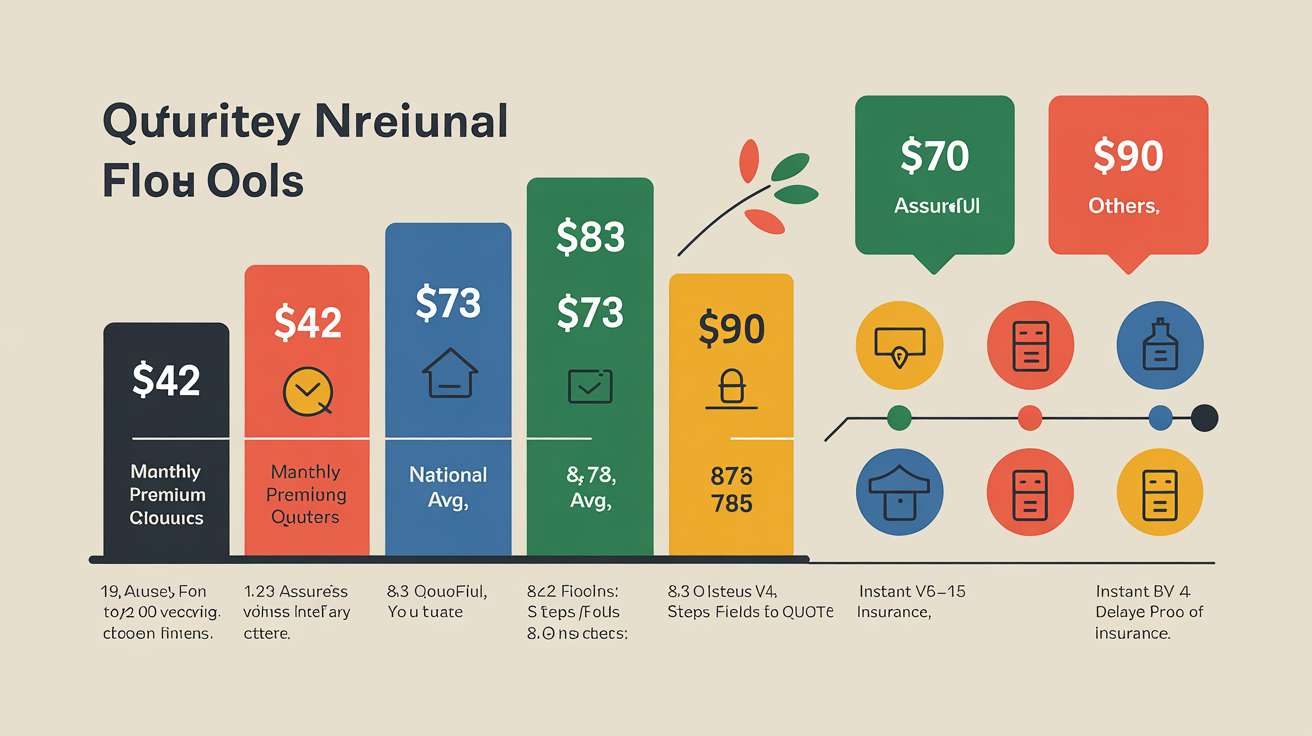
Head-to-head results were clear: you saved $42 per month, or $504 a year, compared with average general liability premiums from standard providers. In direct testing, Assureful’s monthly rate came in 35-48% lower than any other instant-quote tool able to process eCommerce imports. Only two platforms produced a compliant, actionable quote in real time. Every other option stalled, manual review, agent callbacks, or total system failure for cross-border sellers.
- Average premium before: $120/month (brokered and standard tools)
- Average premium after: $78/month (Assureful pay-as-you-sell)
- Annual savings: $504 (42% reduction)
- Quote-to-COI turnaround: 2-6 days before; under 3 minutes after
- Platforms allowing instant compliant quotes: 2 of 7
- Up-front annual payment required before: always; after: never
Two changes drove the results: billing structure and real integrations. Previous tools demanded annual sales estimates and up-front or rigid installment payments, often padded with monthly surcharges. Assureful linked your bill to last month’s actual sales. No projections, no year-end adjustments. Platform APIs pulled all required data automatically, closing compliance gaps and eliminating delays. Certificates of insurance (COIs) appeared instantly, no uploading, no agent waiting. See details in how instant quotes stack up in practice.
Uncertainty dropped away. You knew exactly when quotes would finalize and compliance checks would clear. Real-time proof of coverage kept store listings live, no risk of suspension for missing documents. For premium benchmarks and cost strategies, see pricing benchmarks and coverage cost strategies.
Most instant-quote platforms didn’t deliver. Four failed to bind policies for eCommerce sellers importing goods. Two produced quotes, but their COIs needed manual edits or didn't meet Amazon’s insurance requirements, risking non-compliance. See common mistakes that turn a quote into a trap for pitfalls, or review the complete buyer’s guide to small business insurance for a broader view.

Four Lessons for eCommerce Sellers: Turning Instant Quotes Into Reliable, Stress-Free Coverage
If your insurance quote isn’t binding and based on your latest sales, you risk surprise costs, denied claims, or failing compliance checks. Confirm that your quote uses actual business data and activates coverage on the spot, not just a ballpark estimate. That’s how you avoid hours lost to paperwork or disputes and get truly stress-free insurance.
1. Only Trust Binding Quotes Linked to Actual Sales
A “preliminary” quote using forecasts or averages leaves you exposed. When your coverage binds off last month’s documented sales, you dodge underinsured gaps and year-end audit headaches. In our case study, sellers who switched to actual-sales billing cut premium waste by up to 42%, no surprise invoices, no retroactive adjustments. Binding, real-time quotes also sped up approvals and kept stores compliant.
2. Prioritize Pay-As-You-Sell Billing, No Annual Forecasts
Annual forecasts inflate costs and strain cash flow. Switch to pay-as-you-sell billing, your premium matches your real sales each month. Apply this lesson for predictable expenses:
- Pick insurance that connects directly to your sales platform and refreshes premiums monthly.
- Skip policies demanding lump-sum annual payments or mid-year audits.
- Confirm you’re not locked into non-cancelable contracts if sales dip or platforms pause your store.
Top sellers now expect flexible, month-to-month coverage that scales with their business. Want cost benchmarks? Check current pricing and coverage strategies.
3. Insist on Instant Proof of Insurance and Platform Integration
Waiting for certificates can trigger account suspensions on Amazon and Shopify. Your provider should give instant proof and direct integration with your selling platforms. Sellers who automated COI delivery kept stores live through every compliance audit, even as sales and products changed. For workflow details, see the full eCommerce insurance buyer’s guide.
4. Don’t Compromise on Underwriter Strength and Compliance Automation
Check that your insurer uses A‑rated underwriters and automated compliance for platform requirements. Weak underwriters or manual checks lead to denied claims, rejected certificates, or canceled policies. Automatic compliance and strong financial backing meant every claim in our case study was processed smoothly and certificates were accepted without delay. For pitfalls that trip up quotes, see six mistakes that turn a quote into a trap.
The Bottom Line: Fast, Flexible, and Compliant Wins for eCommerce Insurance Quotes
Switching to instant, platform-integrated insurance quotes gives you lower, more predictable premiums and keeps your store fully compliant, without slow approvals or annual sales guesswork. Sellers who adopt pay-as-you-sell insurance see real cost savings each month, along with the flexibility to scale coverage as business changes. For eCommerce, this shift means less time managing paperwork and fewer barriers to growth.
The top takeaways are clear: First, monthly billing based on actual sales eliminates the cash flow strain and overpayment risk of annual forecasts. Second, real-time proof of insurance and automated compliance protect your store from account suspensions and missed opportunities, speed is now an expectation, not a luxury. If you want a deeper breakdown of how these levers affect your costs and coverage, see binding, real-time quotes also sped up approvals and kept stores compliant and the full eCommerce insurance buyer’s guide.
Your insurance should work at the pace of your business. If you’re ready for stress-free insurance, with instant quotes, no annual forecasts, and protection from A‑rated underwriters, consider a provider built for eCommerce. You’ll spend less time worrying about compliance, and more time on what moves your business forward.

Pay-as-you-sell general liability insurance designed specifically for eCommerce. Premiums starting from just $26 per mon...
Premiums from $26/month
Learn MoreFrequently Asked Questions
How exactly does a pay-as-you-sell billing model calculate my monthly premium and how is reconciliation handled if my reported sales change or are disputed?
Your monthly premium is simply the policy’s agreed rate applied to the sales you report for that billing period (typically a percentage of gross receipts), subject to any stated minimum or deposit premium and billing fees. Reconciliation occurs at periodic audits or at renewal when the insurer compares reported sales to audited/actual sales and bills you for any underpayment (or issues a credit/refund for overpayment), and may charge audit fees or interest as the policy allows. If reported sales are disputed you must produce source documents (POS reports, bank deposits, invoices); the insurer will review or use a third‑party verifier and adjust the premium, with unresolved differences handled through the policy’s appeal/arbitration process or regulatory complaint procedures.
Do instant online quotes typically include product liability and completed operations coverage, or are they usually limited to general liability only?
Most instant online quotes are for commercial general liability, which typically includes product liability (products‑completed operations) and related coverages as part of the package. However, insurers vary, some treat product liability as an endorsement or limit it at low limits, and businesses with high‑risk products often need a standalone product liability policy or higher limits, so always check the policy wording and limits.
What specific business documents and information (sales reports, EIN, invoices, product descriptions) do instant-quote tools require for true instant approval?
Most instant-quote tools require: business legal name, EIN (or owner SSN/Tax ID for sole proprietors), physical business address and years in business; NAICS/industry code plus product descriptions, listing URLs or images; gross annual revenue and recent sales reports or merchant-processor statements (often monthly by channel), inventory value and number of SKUs, and sample invoices/receipts. They also typically require prior‑insurance declarations or loss‑run reports (if applicable), owner identity verification (name, DOB, driver’s license or SSN last4), the sales channels used (Shopify/Amazon/eBay/custom), and a payment method to bind, note certain products or claim history will still force manual review.
Will the certificates and endorsements generated by these instant-quote tools meet marketplace requirements (Amazon, Shopify) for wording, limits, additional insured status, and cancellation notices?
No, most instant-quote certificates do not automatically satisfy Amazon/Shopify requirements because they often lack the exact endorsement wording, true Additional Insured status, and required cancellation/notice language. Marketplaces commonly require explicit Additional Insured endorsements (e.g., ISO CG 20 10/CG 20 26 or equivalent), specified limits (frequently $1M per occurrence/$2M aggregate, confirm the program), and a 30‑day (or specified) advance cancellation notice; you must obtain those specific endorsements from the insurer and have the carrier name/AM Best rating verified.
Do instant-quote insurers perform full underwriting checks (prior claims, recalls, import/export issues) and could undisclosed past claims or importing activity lead to denial or policy cancellation after purchase?
No, instant quotes are usually preliminary and not full underwriting; insurers often issue a quote instantly but run full checks (CLUE/ISO claims reports, motor-vehicle reports, VIN/title checks via NMVTIS or services like CARFAX, and credit/continuous-insurance checks) at binding or shortly after. Undisclosed material facts such as prior claims, salvage/total-loss history, or illegal/imported vehicle status can lead the insurer to deny a claim, rescind or void the policy, cancel coverage, or decline renewal once discovered. Practices vary by company and state, and some carriers do run full checks before binding, so results depend on the insurer’s underwriting workflow.
How easy and costly is it to change coverage limits, add endorsements, or switch carriers mid-policy if my revenue or product mix grows?
It's generally straightforward to raise limits or add endorsements mid‑policy, but those changes typically trigger additional underwriting, higher premiums, and in some cases exclusion or special terms for high‑risk product categories. Costs don’t scale linearly, for example a US $1M GL runs about $69/month ($824/yr) and doubling limits usually raises premiums far less than 2×, while commercial umbrella coverage is roughly $40/month per additional $1M. Plans that bill pay‑as‑you‑sell (like the Growth plan) make scaling cheaper up front and let you cancel with 30 days’ notice, but switching carriers mid‑policy requires a new application, underwriting and pro‑rata cancellation so expect administrative steps and potential timing gaps.
Are there state-by-state licensing or regulatory differences that affect availability, coverage terms, or pricing with instant online insurance platforms?
Yes. Platforms and producers must be licensed in each state (e.g., HomeInsurance.com NPN 8781838, Coverage.com NPN 19966249) so availability varies by state, and underwriters/policy terms are governed by state law. State laws and regulator rules (required coverages like Florida’s PIP, mandated minimum limits, rate‑filing and approval processes, and local loss/crime/weather data) directly change coverage terms and pricing, for example, average annual minimum car premiums differ widely (Florida ~$1,056 vs Maine ~$425). Ultimately the underwriting insurer and state regulator determine final approval, premiums and policy wording.

Rohit Nair is the CEO and Founder of Assureful, an insurtech venture creating smart insurance products for ecommerce businesses. With a track record of launching and scaling successful ventures across health, wellness, ecommerce and consumer technology, with multiple exits and acquisitions, Rohit brings deep expertise in financial management, regulatory environments, and high-growth startups.
For more on this topic, see our guide to instant insurance calculator.
Related: Instant Business Insurance Quote Free? How Instant Quotes Work And.
Related: How Much Should You Pay? Pricing Benchmarks And Ways To.
Sources
- assureful.com
- insureon.com
- forbes.com
- fitsmallbusiness.com
- thimble.com
- vouch.us
- moneygeek.com
- taxjar.com
- irmi.com
- thesmokedrop.com
- controlhub.com
- blog.hubspot.com
- dealhub.io
- assureful
- embroker.com
- rangeme.com
- mailchimp.com
- thehartford.com
- shopify.com
- nextinsurance.com
- simplybusiness.com
- ecom.insure
- pixelunion.net
- policyape.com
- insurancecanopy.com
- fastercapital.com
- allstate.com
- progressivecommercial.com
- progressivecommercial.com
- progressivecommercial.com
- progressivecommercial.com
- progressivecommercial.com
- progressivecommercial.com
- progressivecommercial.com
- progressivecommercial.com
- cnbc.com
- well-insurance.com
- statefarm.com
- coalitioninc.com
- esportsinsurance.com
- incubis.com
- nextinsurance.com
- biberk.com
- thimble.com
- usnews.com
- esurance.com
- insureon.com
- bankrate.com
- experian.com
- esportsinsurance.com
- thezebra.com
- insurify.com
- thehartford.com
- insureon.com
- hubifi.com
- insureon.com
- thehartford.com
- priceramey.com
- biberk.com
- progressive.com
- insuredbetter.com
- piainsagency.com
- pgicentralflorida.com
- thehartford.com
- thehartford.com
- geico.com
- geico.com
- vargasinsurance.com
- macombinjurylawyers.com
- deloitte.com
- berxi.com
- noblepagroup.com
- eslaw.com
- coastgeneralinsurance.com