
Introduction
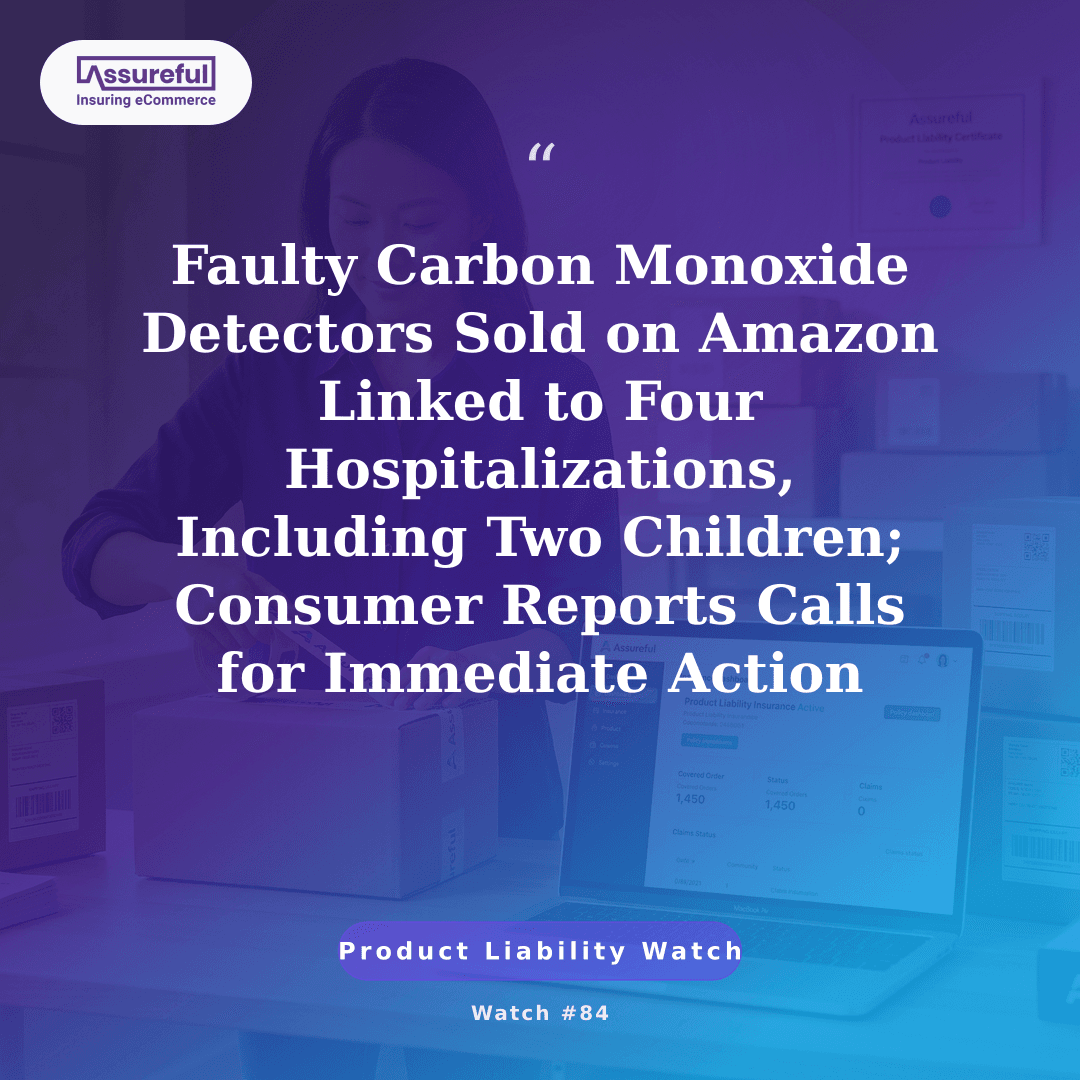
A recent report from Consumers Union, the advocacy arm of Consumer Reports, has brought to light a critical product safety issue: faulty carbon monoxide (CO) detectors sold on Amazon have been linked to four hospitalizations, including two children. This incident underscores the significant risks associated with product defects in life-safety devices and highlights the potential liability exposure for manufacturers, importers, and online retailers. For businesses operating in the product sector, this event serves as a timely reminder of the importance of rigorous quality assurance, regulatory compliance, and robust risk management practices—including the role of product liability insurance in mitigating financial exposure from such incidents.
What Happened
According to the press release from Consumers Union, several carbon monoxide detectors available for purchase on Amazon failed to alert users to dangerous CO levels, resulting in four individuals—two of them children—being hospitalized for carbon monoxide poisoning. The affected products were reportedly manufactured by lesser-known brands and imported for sale on Amazon’s marketplace. Consumer Reports has called for immediate action, urging both Amazon and regulatory authorities to remove the faulty detectors from the market and to strengthen oversight of safety-critical products sold online. The scale of the impact is not yet fully determined, but the incident has prompted renewed scrutiny of third-party sellers and the adequacy of pre-market product vetting, especially for devices intended to protect consumers from life-threatening hazards.
Liability Implications
The liability landscape in this case is multifaceted. Under U.S. product liability law, responsibility for injuries caused by defective products can extend to manufacturers, importers, distributors, and retailers—particularly when the product in question is a life-safety device. In the context of online marketplaces, courts have increasingly found that platforms like Amazon may share liability when they facilitate the sale of unsafe products, especially if they are involved in fulfillment or marketing. For the manufacturers and importers of the faulty CO detectors, exposure includes potential claims for design defects, manufacturing defects, and failure to warn. The fact that the products failed in their fundamental safety function heightens the risk of strict liability claims, where plaintiffs do not need to prove negligence. This incident is emblematic of a broader trend: as e-commerce platforms proliferate, the supply chain for consumer goods becomes more diffuse, increasing the complexity of assigning responsibility and raising the stakes for all parties involved.
Lessons for Manufacturers
For manufacturers and importers, this incident reinforces several key lessons in risk management. First, products—especially those related to health and safety—must undergo rigorous testing and certification to meet all applicable standards before entering the market. Relying on minimal compliance or insufficient third-party testing can expose businesses to significant liability and reputational harm. Second, clear documentation of quality control processes and supply chain integrity is essential, particularly when working with overseas factories or third-party sellers. Third, rapid response protocols for field failures, including recall readiness and transparent communication with consumers and regulators, can mitigate downstream harm and legal exposure. Ultimately, prevention and preparedness are critical: investing in product safety upfront is far less costly than managing the fallout from a catastrophic failure.
The Insurance Perspective
Product liability insurance is designed to protect businesses from the financial consequences of claims arising from defective products that cause bodily injury or property damage. In the case of the faulty carbon monoxide detectors, a well-structured policy would typically respond to claims for medical costs, legal defense, settlements, or judgments. However, coverage is not guaranteed in all scenarios. Common exclusions—such as those for products not properly tested, known defects, or failure to comply with regulatory requirements—could limit or negate coverage. Businesses should review their policies to ensure they cover all products sold, including those sourced from third-party suppliers or manufactured overseas. Additionally, companies selling on online marketplaces should verify whether their insurance extends to all jurisdictions where products are distributed and whether contractual indemnity obligations are adequately addressed. Regular policy reviews and updates are essential to close potential coverage gaps and to align insurance protection with evolving product portfolios and distribution models.
Conclusion
The recent hospitalizations linked to faulty carbon monoxide detectors sold online highlight the critical importance of proactive risk management and comprehensive insurance coverage for product businesses. As regulatory scrutiny intensifies and liability exposures evolve, manufacturers, importers, and retailers must prioritize product safety, supply chain oversight, and preparedness for adverse events. By investing in robust quality assurance and regularly reviewing insurance protections, businesses can better safeguard their customers—and their own financial resilience—in an increasingly complex product liability environment.







Be the first to share your thoughts on this article.