
Introduction
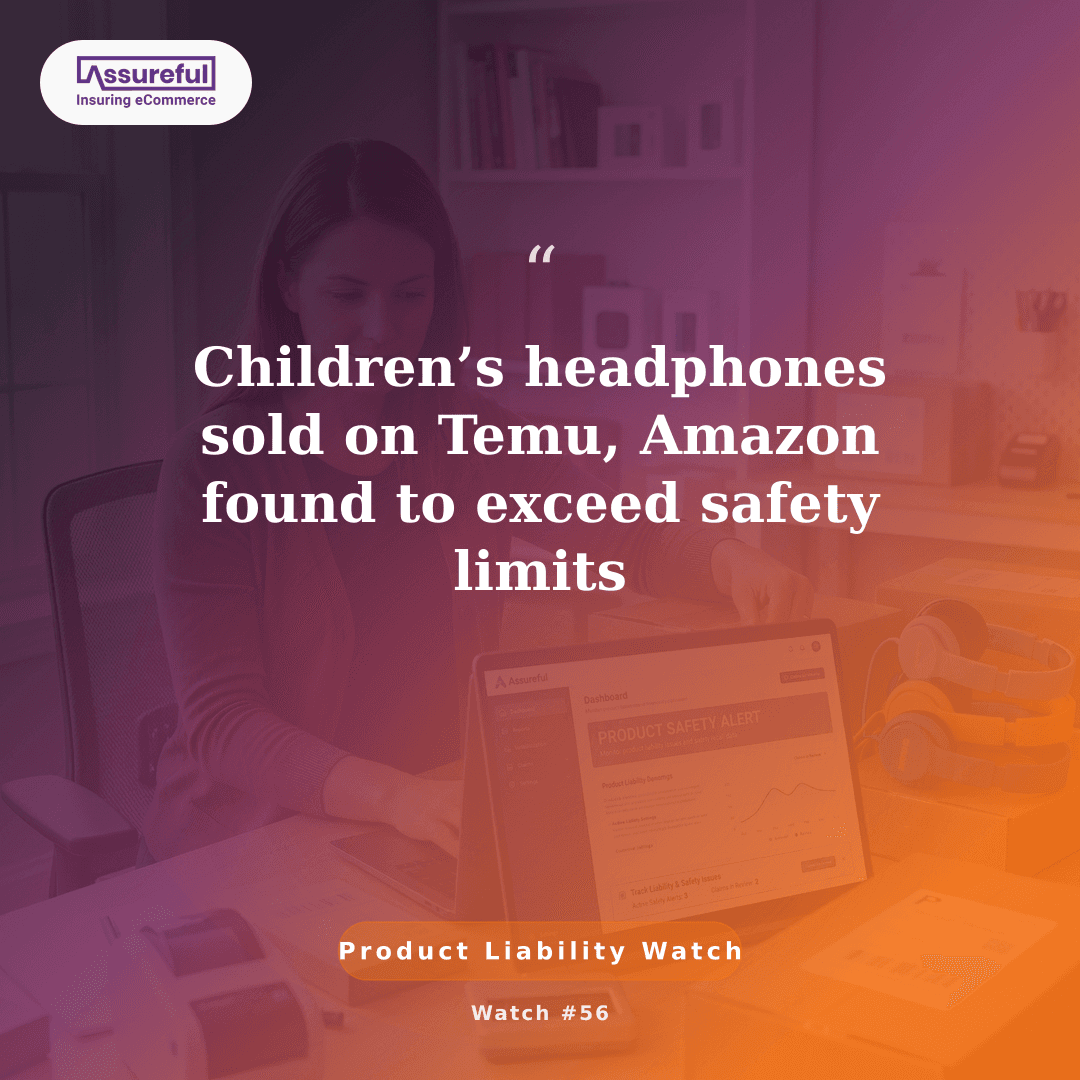
A recent investigation reported by The Korea Herald has found that certain children’s headphones sold on major e-commerce platforms, including Temu and Amazon, exceed established safety limits. This development has immediate implications for manufacturers, importers, and online retailers—especially those operating in the children’s product segment. The findings raise questions about product safety compliance, supply chain oversight, and the potential for regulatory and legal consequences. For businesses, this event serves as a timely reminder of the importance of robust risk management and the critical role of insurance in mitigating product liability exposures.
What Happened
According to The Korea Herald, a selection of children’s headphones available for purchase on Temu and Amazon were found to exceed safety thresholds, specifically those intended to protect young users from excessive sound exposure. The report highlights that these products, marketed for children, did not comply with recommended standards for maximum volume output, thereby posing a risk of hearing damage. The investigation did not specify the manufacturers involved but emphasized the presence of non-compliant products across multiple online marketplaces. Regulatory authorities have reportedly been notified, and consumer safety advocates are calling for increased scrutiny and potential recalls. The scale of the impact includes both domestic and international consumers, given the global reach of these e-commerce platforms.
Liability Implications
From a product liability perspective, several parties may bear responsibility for non-compliant children’s headphones. Manufacturers are primarily accountable for ensuring their products meet safety standards for the markets in which they are sold. However, importers, distributors, and online platforms such as Temu and Amazon can also face liability, particularly if they are deemed to have failed in their duty to prevent the sale of unsafe products. Legal exposure could arise from consumer claims of injury, regulatory enforcement actions, and potential class actions if harm is widespread. This incident aligns with a broader trend of increased scrutiny on online marketplaces, which are increasingly being held accountable for the safety of third-party products sold on their platforms. In several jurisdictions, recent regulatory changes have expanded the liability net to include not just manufacturers but also the platforms facilitating sales, especially when products are marketed to vulnerable populations such as children.
Lessons for Manufacturers
Manufacturers and product businesses should draw several risk management lessons from this event. First, rigorous product testing and certification are essential, particularly for items intended for children or other vulnerable groups. Relying solely on supplier assurances or minimal compliance checks can expose businesses to significant liability. Second, transparent supply chain documentation and regular audits can help identify and address compliance gaps before products reach the market. Third, clear labeling and user instructions are critical, as they demonstrate a commitment to consumer safety and can mitigate liability in the event of a claim. Finally, businesses should monitor regulatory developments and consumer feedback to identify emerging risks and respond proactively, rather than waiting for authorities or the media to highlight deficiencies.
The Insurance Perspective
Product liability insurance is designed to protect businesses from the financial consequences of claims arising from bodily injury or property damage caused by defective products. In the context of the children’s headphones incident, such coverage would typically respond to claims of hearing damage or regulatory actions requiring product recalls. However, coverage is not universal. Exclusions may apply if the insured failed to comply with known safety standards, or if the product was knowingly misrepresented. Additionally, many policies have sub-limits or exclusions for products intended for children, given the higher risk profile. Businesses should review their policies to ensure that coverage extends to all markets in which they operate, including those reached via online platforms. It is also prudent to consider recall insurance, which can help offset the costs associated with removing unsafe products from the market and managing related reputational damage.
Conclusion
The discovery of children’s headphones exceeding safety limits on major e-commerce platforms underscores the evolving landscape of product liability and consumer safety. For manufacturers and product businesses, this event highlights the necessity of proactive risk management, thorough compliance protocols, and comprehensive insurance coverage. As regulatory expectations and consumer awareness continue to rise, businesses must remain vigilant in safeguarding both their customers and their own financial stability. Investing in prevention and preparedness today will help mitigate liability exposures and sustain market trust in the future.










Be the first to share your thoughts on this article.