
Introduction
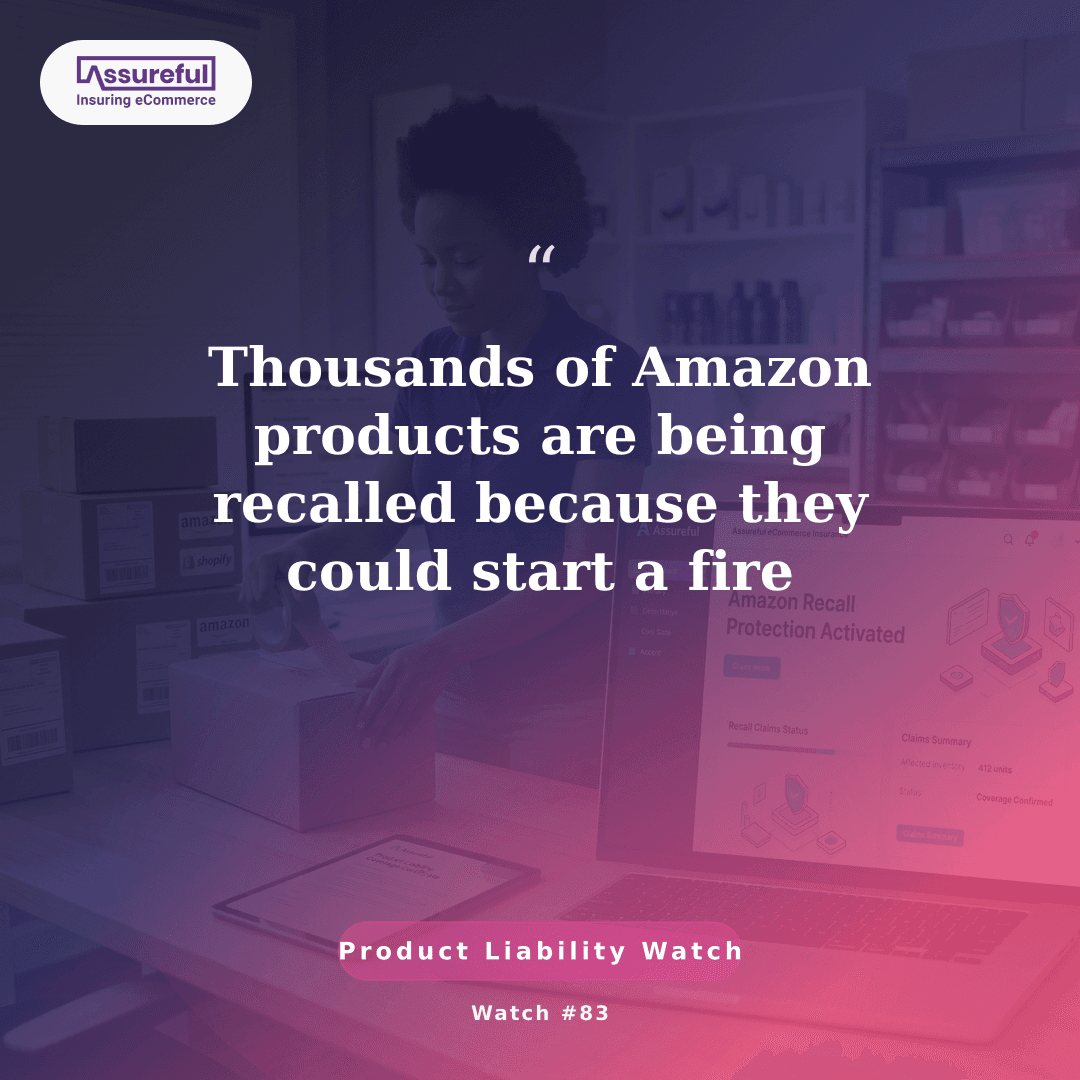
The recent recall of thousands of Amazon-listed products due to fire hazards, as reported by AL.com, serves as a critical reminder for manufacturers, importers, and product businesses of the ever-present risks associated with consumer goods. This event affects not only the immediate parties—consumers and sellers—but also the broader ecosystem of product safety compliance, supply chain management, and liability exposure. For businesses operating in the product space, the recall underscores the importance of robust risk controls and the need for comprehensive insurance strategies. As regulatory scrutiny intensifies and consumer expectations for safety remain high, understanding the liability and insurance implications of such incidents is essential for sustainable operations.
What Happened
According to the news report from AL.com, thousands of products sold through Amazon’s platform are being recalled due to a significant fire risk. While the article does not specify the exact product types or manufacturers involved, it is clear that the recall encompasses a large volume of goods, potentially spanning multiple categories and brands. The recall appears to be prompted by reports or testing that identified a risk of the products overheating or otherwise malfunctioning in a way that could ignite a fire. Regulatory agencies, likely including the U.S. Consumer Product Safety Commission (CPSC), are typically involved in such large-scale recalls, working in coordination with Amazon and the affected manufacturers to remove the products from the market and notify consumers. For businesses, the scale of this recall highlights the far-reaching impact of product safety failures, particularly when products are distributed through major online marketplaces.
Liability Implications
Product liability law holds manufacturers, importers, distributors, and retailers potentially responsible for injuries or property damage caused by defective products. In the context of this recall, responsibility may be shared among several parties:
- Manufacturers: If the defect originated in the design or manufacturing process, the original manufacturer is typically the primary party liable for resulting damages.
- Importers and Private Labelers: For products sourced overseas or rebranded for sale, the importer or private labeler may be treated as the “de facto” manufacturer under U.S. law, inheriting full liability.
- Retailers and Marketplaces: While traditional retailers have clear liability exposure, online marketplaces like Amazon have faced increasing scrutiny and legal challenges over their role in facilitating sales of unsafe products. Recent court decisions have, in some cases, held platforms responsible for failing to ensure the safety of third-party products.
The legal exposure from fire-related hazards is particularly acute due to the potential for serious bodily injury, property damage, and even death. Plaintiffs in such cases may pursue claims under theories of strict liability, negligence, and breach of warranty. The scale of this recall also reflects a broader trend: regulatory agencies and the courts are placing greater emphasis on supply chain accountability, especially for products sold online. Businesses must recognize that liability can extend well beyond the original manufacturer, encompassing all entities involved in bringing a product to market.
Lessons for Manufacturers
This recall provides several practical lessons for manufacturers and product businesses:
- Strengthen Quality Control: Rigorous testing and quality assurance processes are essential, particularly for products with electrical components or potential fire risks.
- Vet Suppliers and Partners: Ensure that all suppliers, contract manufacturers, and private label partners adhere to recognized safety standards and regulatory requirements.
- Monitor Regulatory Developments: Stay informed about evolving product safety regulations and recall trends, especially for products distributed through large e-commerce platforms.
- Develop Recall Preparedness Plans: Have clear protocols in place for identifying, reporting, and managing product recalls, including communication with regulators and customers.
Proactive risk management not only reduces the likelihood of costly recalls but also demonstrates a commitment to consumer safety—an increasingly important differentiator in today’s marketplace.
The Insurance Perspective
Product liability insurance is a critical risk transfer tool for manufacturers, importers, and sellers. In the event of a recall due to fire hazards, standard product liability policies typically respond to third-party claims for bodily injury or property damage. However, there are important coverage considerations:
- Recall Costs: Most general liability policies exclude the costs of recalling, repairing, or replacing defective products. Specialized product recall insurance is required to cover these expenses, including customer notification, shipping, and disposal.
- Coverage Gaps: Businesses should review policy exclusions related to design defects, known risks, or products sourced from certain regions. Gaps in coverage can leave companies exposed to significant out-of-pocket costs.
- Additional Insureds and Supply Chain: Companies should ensure that contracts with suppliers and distributors include appropriate indemnification and insurance requirements, and that they are named as additional insureds where possible.
Given the complexity of modern supply chains and the growing prevalence of online sales, a periodic review of insurance programs is essential. Businesses should work with experienced brokers to assess their risk profile and ensure that both liability and recall exposures are adequately addressed.
Conclusion
The recall of thousands of Amazon-listed products due to fire risks is a timely reminder of the multifaceted challenges facing the product industry. As regulatory scrutiny and consumer expectations continue to rise, manufacturers and sellers must prioritize robust quality controls, supply chain oversight, and comprehensive insurance protection. Proactive risk management and regular policy reviews are not only prudent—they are essential for safeguarding business continuity and reputation in a rapidly evolving marketplace.








Be the first to share your thoughts on this article.